The Silent Salesman: How Color and Visuals Hijack the Consumer Brain
Discover how neuromarketing reveals the hidden impact of color on consumer decisions. Learn from Campbell’s and Cheetos case studies to optimize visual strategy.
The Hook
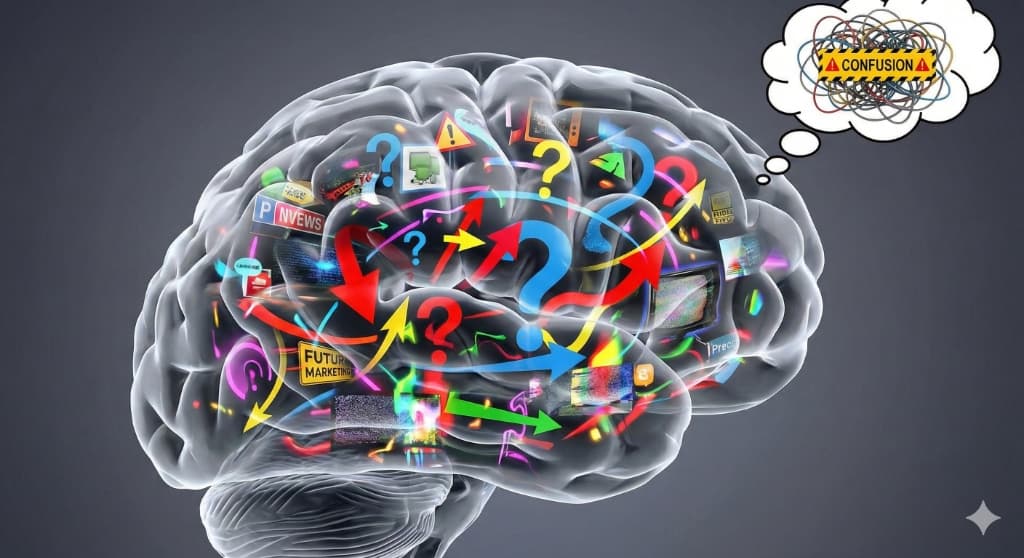
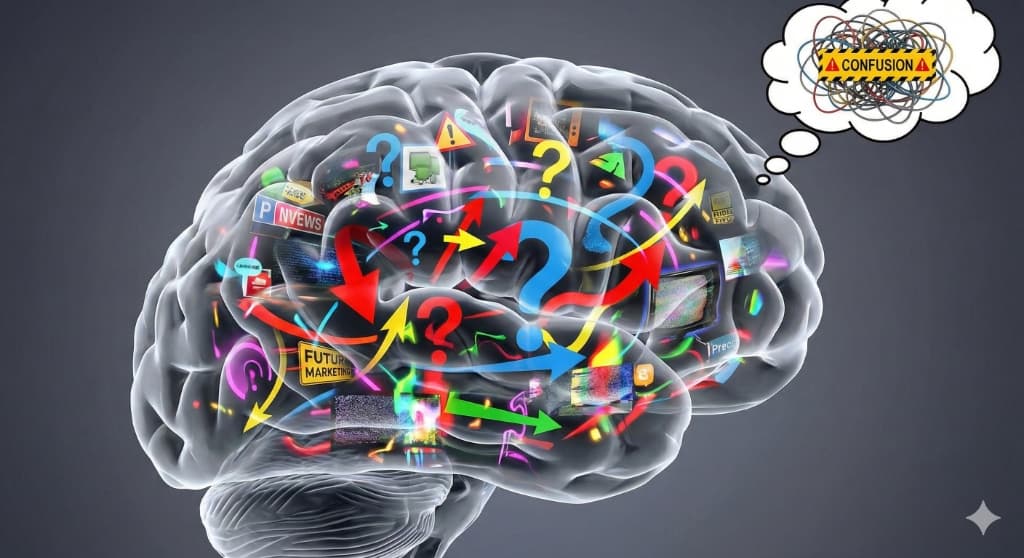
We often assume customers choose products based on price or logic, but science disagrees. In reality, a vast majority of decision-making happens below the threshold of conscious awareness. If you aren't optimizing for the consumer's subconscious visual response, you are leaving sales on the shelf.
It’s Not Just Design—It’s Biology
For decades, marketing relied on the "rational consumer" model, assuming people analyzed costs and benefits logically. However, modern neuroscience has dismantled this assumption.
Drivers of preference are often rooted in deep-seated emotional associations and sensory processing that bypass the conscious, linguistic centers of the brain. This means a consumer might feel a sense of "trust" or "craving" evoked by a color or package design but lack the vocabulary to explain why.
Neuromarketing bridges this gap by shifting the inquiry from what customers say to how their brains physically react.
Case Study: When Color Becomes a Barrier (Campbell’s Soup)
One of the most famous examples of color impact comes from Campbell’s Soup. The brand was iconic, but sales were slipping. Traditional feedback said consumers loved the brand, but that sentiment wasn't translating to purchase.
Using biometric tools like Galvanic Skin Response (GSR) and eye tracking, researchers discovered a critical flaw in the visual design:
- The "Wall" of Red: The iconic large red band at the top of the can was creating a visual barrier.
- Cognitive Overload: This uniform block of color made it difficult for consumers' brains to process and distinguish between the different soup varieties.
- The Fix: Based on this data, Campbell's reduced the size of the red logo and added distinct color coding for different varieties.
Key Takeaway: A "brand color" can actually hurt you if it dominates the visual hierarchy and prevents the brain from quickly categorizing the product.
Case Study: The "Dirty" Color of Success (Cheetos)
Sometimes, our brains love what our mouths complain about. Frito-Lay used EEG technology to study the response to the bright orange residue left on fingers by Cheetos (internally called "Cheetle").
- The Verbal Lie: In focus groups, participants complained about the orange mess, calling it annoying.
- The Neural Truth: EEG data showed spikes in pleasure and giddy engagement when participants dealt with the orange dust.
- The Insight: The messy color wasn't a negative; it was a badge of honor and a source of subversive fun.
Frito-Lay launched a campaign encouraging people to embrace the orange mess, which significantly boosted sales. This proves that strong color associations can trigger a "guilty pleasure" dynamic that traditional surveys miss.
Measuring the Impact: The Visual Toolkit
How do we know if a color is working? We stop guessing and start measuring. Here are the tools used to decode visual impact:
- Eye Tracking: This technology calculates the precise gaze point of the consumer. It reveals the visual hierarchy—what the consumer sees first, second, and last—ensuring key assets like logos are actually processed.
- Heatmaps: These visual representations show where attention is focused. They are indispensable for packaging optimization.
- EEG (Electroencephalography): While eye tracking shows what they see, EEG shows how they feel about it (e.g., positive engagement vs. negative withdrawal).
Conscious vs. Subconscious Processing
| Feature | Traditional "Rational" View | Neuromarketing Reality |
|---|---|---|
| Driver of Choice | Logical cost-benefit analysis | Emotional associations & memory |
| Color Perception | Aesthetic preference (Likability) | Visual hierarchy & processing fluency |
| Consumer Feedback | "I bought it because it's cheap." | "My brain anticipated a reward." |
| Methodology | Surveys & Focus Groups | fMRI, EEG, Eye Tracking |
Conclusion
Color is not merely decoration; it is functional data that the brain processes in milliseconds. Whether it is the visual barrier of a red logo or the "subversive" joy of orange dust, the neural response to color often dictates the purchase decision before the consumer even realizes it.